Fat Transfer Breast Augmentation
Elk Grove Village
Elk Grove Village
Your bra digs by mid-day. Necklines collapse instead of draping. Photos look a touch flatter than they used to. If that sounds familiar, fat transfer breast augmentation can address the structure behind it by moving your own fat to areas that need gentle fullness.
In Elk Grove Village, Dr. Sameer Kapadia, a board-certified plastic surgeon, plans this procedure around your measurements, tissue quality, and goals. The method is straightforward: harvest, purify, and layer fat into the breast where it can take and live. No device. No hard edges. Just shape that fits your frame and holds up in real life.

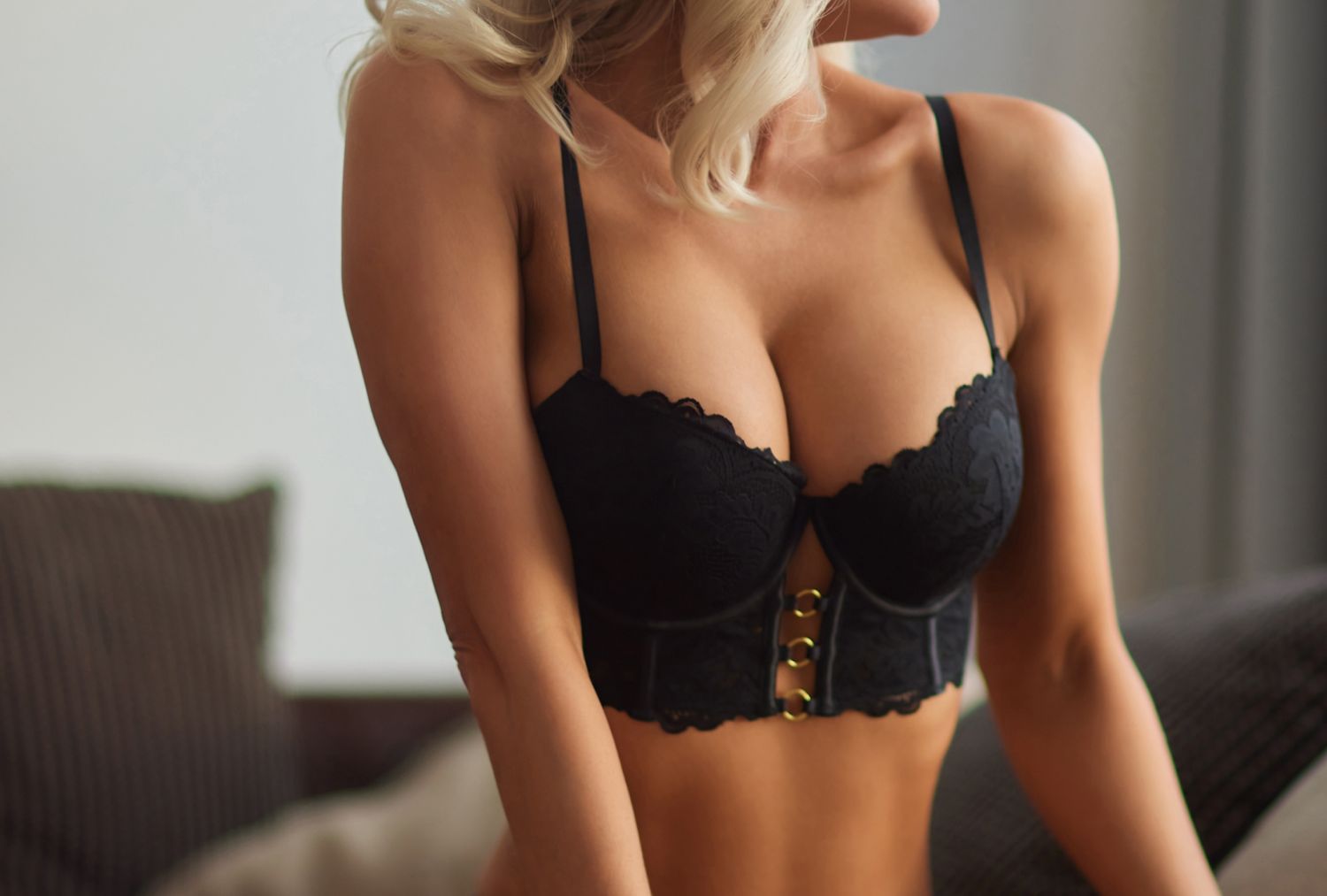
Fat transfer breast augmentation—sometimes called fat grafting to the breast—is a fat transfer procedure that uses gentle liposuction to harvest body fat, prepares it into purified fat cells, and places those cells into the breast in thin layers. The goal is a subtle increase in breast volume and a smoother breast shape. A fat transfer does not lift the breast on its own; if you have sagging breasts, a breast lift may be part of the plan. If you want a large jump in breast size, traditional breast augmentation with breast implants still does that best.
You may be a fit if you want a modest change, prefer an implant‑free option for breast enhancement, and have sufficient fat in typical fat harvesting sites like the abdomen, flanks, lower back, or thighs. Candidates do best with stable weight, healthy skin, and no nicotine use. If screening is due based on age or family history, we coordinate imaging before surgery.
Fat transfer offers a natural feel because the tissue is yours. It can soften the upper pole, balance a small asymmetry, and fine‑tune edges after other plastic surgery. For many breast augmentation patients, it is a clear way to avoid hardware while gaining shape. The trade‑off is scale: the change is smaller than implants and may need staging.
We review medical history, medications, and goals, examine donor areas for excess fat, and set realistic targets. No “weight gain for surgery”—it backfires later. Arrange a ride home, gather a compression garment for donor sites, and have a soft support bra ready. If you have questions about how much fat we can move, we measure and show you the range on your frame.
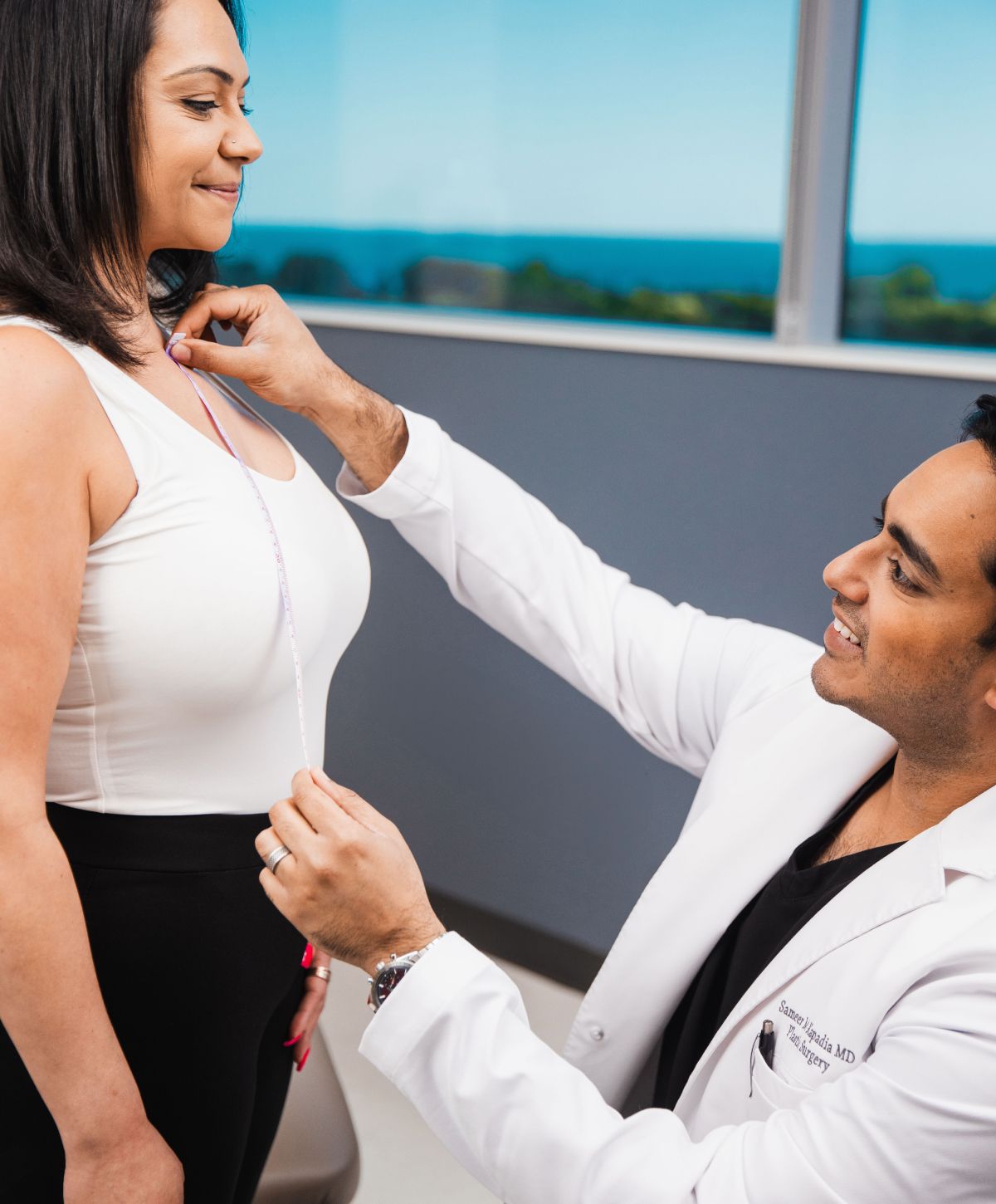
On the day of surgery, we mark donor and placement zones together. Under anesthesia in an accredited setting, we:
Fat supports the upper pole, inner cleavage, and thin edges where shape benefits from soft tissue. We avoid overfilling; layered placement helps the graft settle evenly.

You see a difference right away. Swelling fades in weeks. The portion of the graft that connects to the blood supply tends to stay; the rest is absorbed. Most people see up to about one cup size per session. The breast continues to look and move like breast tissue because that is what it is.
Plan for soreness and swelling at donor sites and the chest. Keep the compression garment on donor areas as instructed and avoid pressure on the breasts:
Sleep on your back at first. Skip tight bras and underwire until cleared. Keep donor sites clean and supported. Hydration, steady meals, and a gentle walking routine help the grafts and the harvest zones settle. We outline scar care for small liposuction points.
Known risks include bruising, contour irregularities, oil cysts, and firm spots from fat necrosis. Calcifications can appear on imaging; radiology teams know how to read these patterns. We document your baseline and keep records up to date so mammograms remain accurate.
Your quote reflects time in the OR, the number of donor areas, and staged plans when needed. You receive a written estimate, garment guidance, and a follow‑up schedule. We keep numbers plain so planning stays simple.
Your quote reflects time in the OR, number of donor areas, and staged plans when needed. You receive a written estimate, garment guidance, and a follow‑up schedule. We keep numbers plain so planning stays simple.
We’ll map your plan and give you a transparent estimate before you decide.

A fat transfer breast augmentation gives a soft, natural feel and avoids a device. Breast implants give a larger, more predictable change in one step. Some patients choose a hybrid—implants for volume, fat grafting for edges. If the nipple is low, a breast lift may be the cleanest fix. If your goal is a big shift in breast size, breast augmentation surgery with implants is the direct route.
Fat transfer can smooth ripples, hide visible implant edges, refine shape after lift or reduction, and add soft tissue after an explant for those moving away from a breast implant.
You meet directly with Dr. Kapadia to set goals and measurements. His background in fine art informs proportion and line; his surgical planning keeps safety at the center. The culture is steady and human—clear answers, realistic targets, and follow‑through from consult to last check.
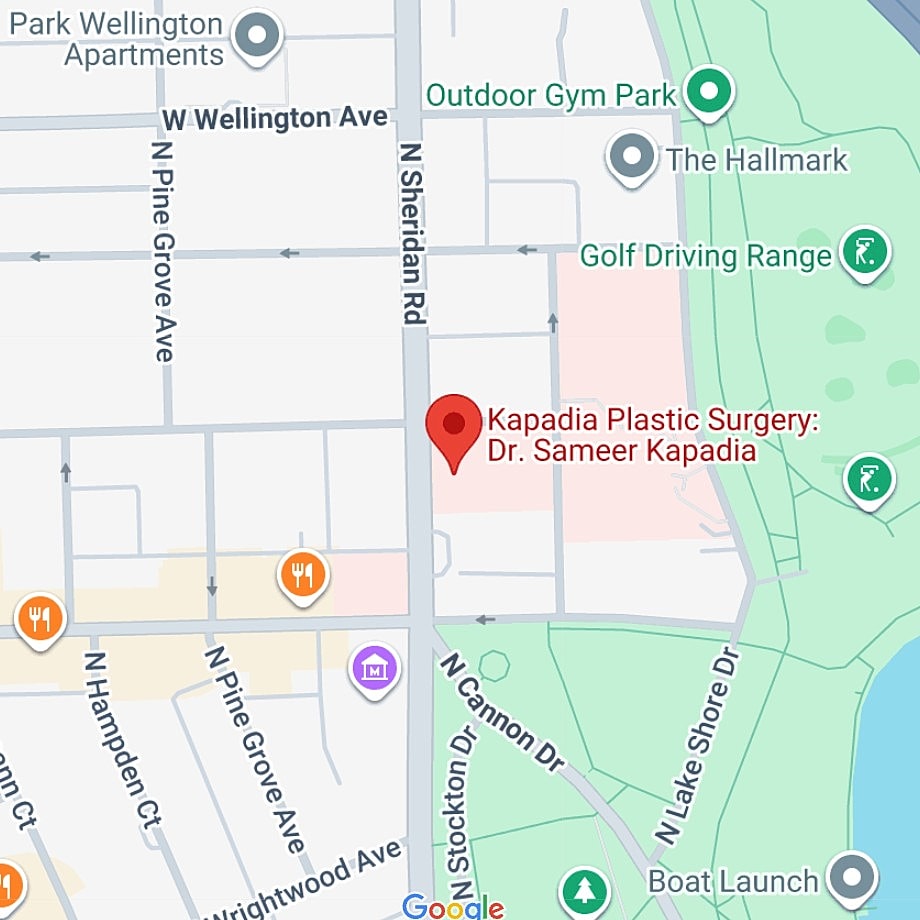
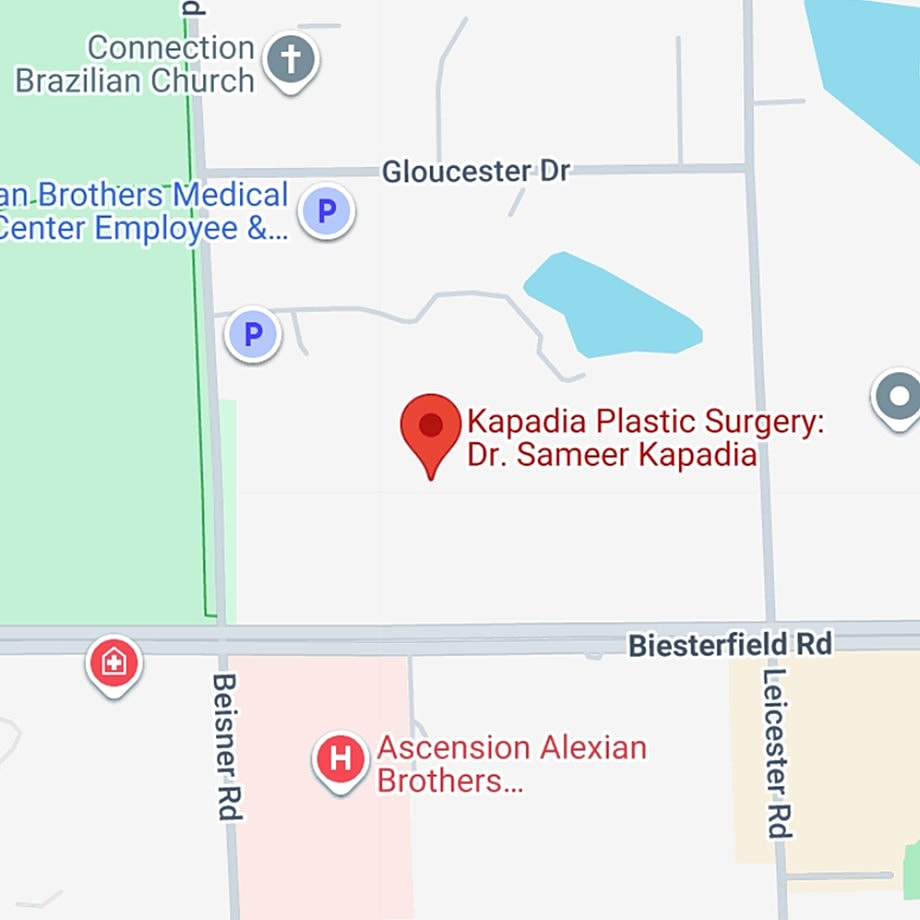
Visit us in Elk Grove Village or Rosemont/Chicago. We will review donor sites, talk through goals, and design a breast fat transfer plan that fits your life. If you are comparing paths—fat transfer vs breast implants—we will map the pros and trade‑offs in plain language so you can choose with confidence.
Enough to make a meaningful change without harming donor contours. We show you the safe range during your consultation.
The graft that lives through the first months tends to last; habits and weight stability matter.
Most patients do. We check common sites and set an honest plan.
Yes. Fat transfer can pair with a lift or implants when that serves the goal.
Back sleep at first; side sleep when cleared. Light cardio returns early; strength work builds in stages.