Tummy Tuck
Servicing Elk Grove Village, Schaumburg, Arlington Heights, and Barrington in the Greater Chicago Area
Servicing Elk Grove Village, Schaumburg, Arlington Heights, and Barrington in the Greater Chicago Area
Pregnancy, weight shifts, and time change the abdominal area. Skin loosens. A C‑section shelf shows through clothes. The midline can bulge when abdominal muscles separate. A tummy tuck addresses these changes with a clear plan. At Kapadia Plastic Surgery near O’Hare, Dr. Sameer Kapadia maps your tummy tuck to your anatomy and goals, then builds a recovery you can plan around.
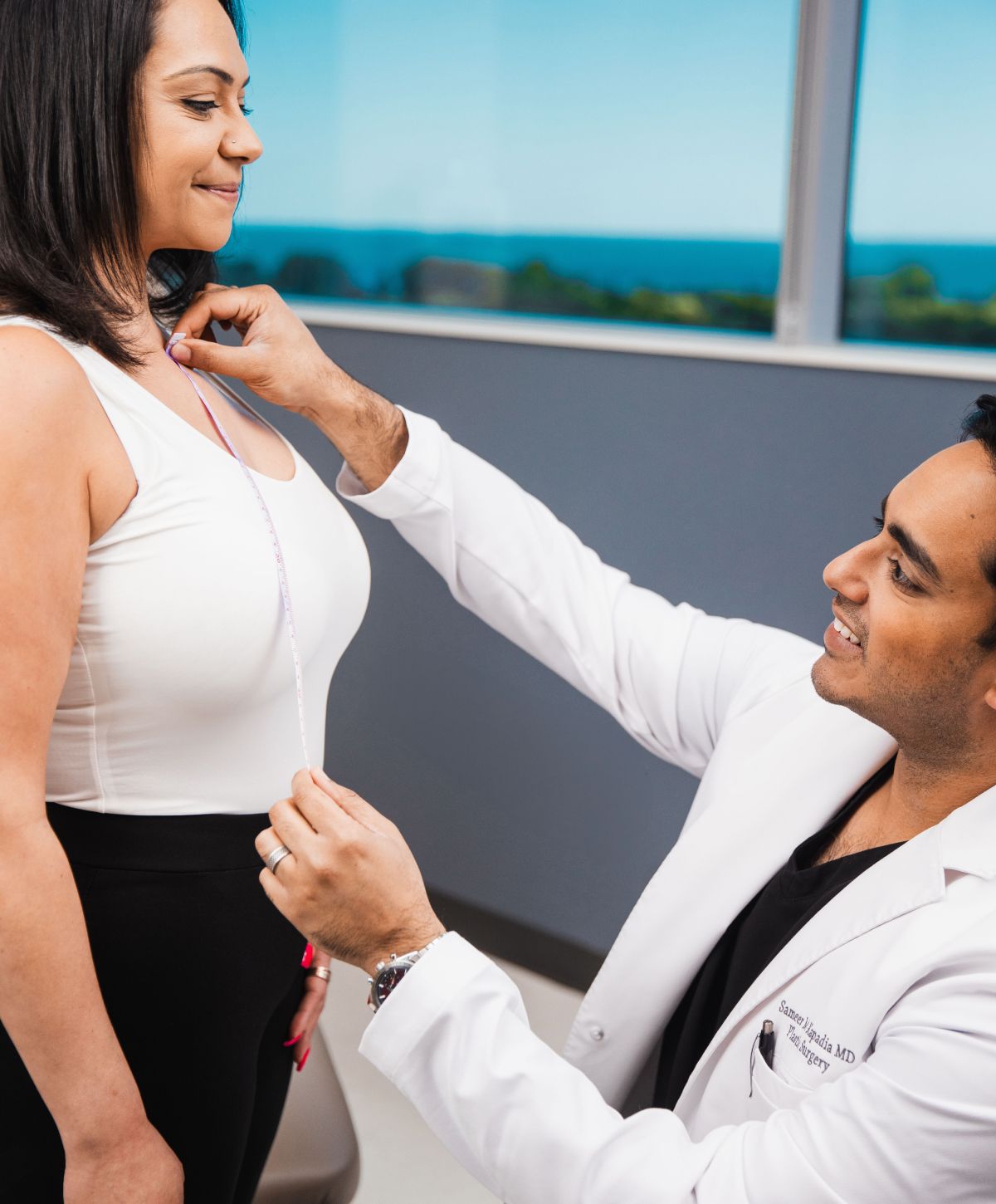

A tummy tuck also known as an abdominoplasty removes excess skin and treats excess skin and fat in the lower abdomen. When needed, it also repairs the abdominal wall by bringing the abdominal muscles back together. The incision sits low, so swimwear covers it. Many cases pair the tummy tuck procedure with focused liposuction for balance. A tummy tuck shapes. It does not replace efforts to lose weight.
For limited excess skin below the navel with little to no diastasis repair. A compact tummy tuck that refines the lower abdomen and shortens downtime compared to larger patterns.
For excess skin and fat with midline repair and a natural, new belly button. This is the most common tummy tuck plan when the shape changes span above and below the navel.
For laxity that wraps onto the flanks. Helpful after significant weight loss when skin excess continues around the sides, and a longer incision improves contour.
For patients after substantial weight loss with horizontal and vertical laxity. Adds a vertical scar to remove extra width and tighten both directions.
You may be a candidate for a tummy tuck if you have stable habits, excess skin that won’t respond to training, or changes after pregnancy or weight loss. We look at medical history, body mass index, and skin quality. Nicotine needs a hard pause before and after tummy tuck surgery to protect wound healing. If screening is due by age or family history, we coordinate imaging before the tummy tuck.
Prior to receiving a tummy tuck Elk Grove Village patients will need to have their medications reviewed, take planning photos, and outline a simple home setup: clear walking paths, a low charging spot, loose button‑front tops, and help for kids or pets. We’ll review med holds, fasting rules, and garment needs. If the plan includes muscle repair, we’ll talk about how to move safely the first week after the tummy tuck.
On the day of your tummy tuck Elk Grove Village plastic surgeon, Dr. Kapadia, confirms markings and goals. Through a low incision, we elevate skin and fat, then remove the excess skin. If you have diastasis, the abdominal muscles are brought back together to reinforce the abdominal wall. The navel is set through a new opening at a natural height. Tension is balanced, and the closure is done in layers. We place drains when they add value; many tummy tuck cases use progressive‑tension sutures that allow a drainless plan. A compression garment goes on before you leave.
Rectus diastasis is a stretch of the midline that separates the abdominal muscles. Repair during a tummy tuck restores the midline, which often improves posture and the way daily tasks feel. It does not replace training; it builds a stable base so training pays off. When a small umbilical hernia is found, we address it during the tummy tuck procedure or coordinate care.
Umbilicoplasty matters. A natural navel sits at the right height with subtle hooding. As the tummy tuck removes excess skin, the C‑section shelf is taken with it, smoothing the lower line. Scar placement sits low, so underwear or swimwear covers the tummy tuck scar.
Front and side views should agree. For many, pairing flank liposuction with a tummy tuck sharpens the waist and balances the new front. We avoid liposuction in zones that could threaten the blood supply to the skin flap, so wound healing stays on track. Mons contouring can be added when it helps the lower border read clean.
Some tummy tuck cases use drains briefly. Others use progressive‑tension sutures that close the space and reduce fluid. We decide on a case-by-case basis. If drains are placed, we teach simple care and remove them once output drops. If drainless, you still follow swelling control steps and garment guidance after your tummy tuck.
At our practice in Elk Grove Village tummy tucks happen in an accredited outpatient center under general anesthesia with a dedicated team. We screen for blood clots, use compression, and get you walking early. Many patients go home the same day with a responsible adult. For longer plans, an overnight can make sense for comfort and monitoring.
Days 1–3: Rest, short house walks, garment on; a slight bend at the hips protects the closure after your tummy tuck.
Week 1: Light desk work for some; no lifting, pushing, or straining; daily walks.
Weeks 2–3: Swelling eases; light cardio when cleared; still no core work as the abdominal muscles heal.
Weeks 4–6: Gradual return to strength with a staged plan; driving when safe.
Months 3–6: Shape refines; scars quiet; most “final” photos between 6–12 months.
Call us for one‑sided swelling, fever, spreading redness, foul drainage, calf pain, or shortness of breath. These can signal infection, blood clots, or poor wound healing after a tummy tuck and should be checked promptly.

You’ll get clear shower rules, incision care, and a schedule for tape or silicone support. SPF on scars once healed is non‑negotiable. We review in‑office options for scar refinement when the timing is right. Garment wear follows a set schedule; over‑compression can backfire, so we set it up for you. If you pair your tummy tuck with breast work, we adjust bras and garments to protect wound healing.
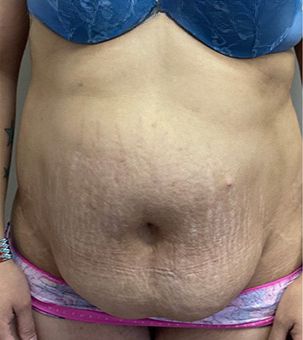
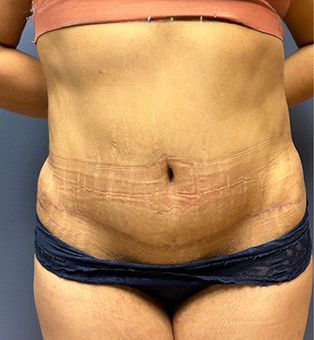
Most see a flatter front and a smoother side view early after a tummy tuck. As swelling fades, the waist taps in, the navel looks natural, and the lower line sits flat in clothing. Tummy tuck results last with a stable scale and consistent support habits. Future pregnancies can change shape again; if more children are in your near future, time your tummy tuck to protect the result. After significant weight loss, a tummy tuck can make clothes fit true to size.
Every tummy tuck is real surgery. Risks include bleeding, infection, seroma, blood clots, numb zones, dog‑ears, asymmetry, unfavorable scars, and revision. Wound healing problems are uncommon but possible—especially with nicotine, uncontrolled diabetes, or tight garments. We lower risk with sterile technique, hemostasis, tension control, mobility plans, and close follow‑up. You leave with a simple “call now” list, so you never guess.
The cost of a tummy tuck reflects scope: mini tummy tuck, complete tummy tuck, or extended; any lipo areas; time in the OR; facility and anesthesia; and overnight needs. Your quote lists what’s included—visits, garments, and routine follow‑ups—and outlines payment options. You will know the plan and the number before you decide on your tummy tuck.
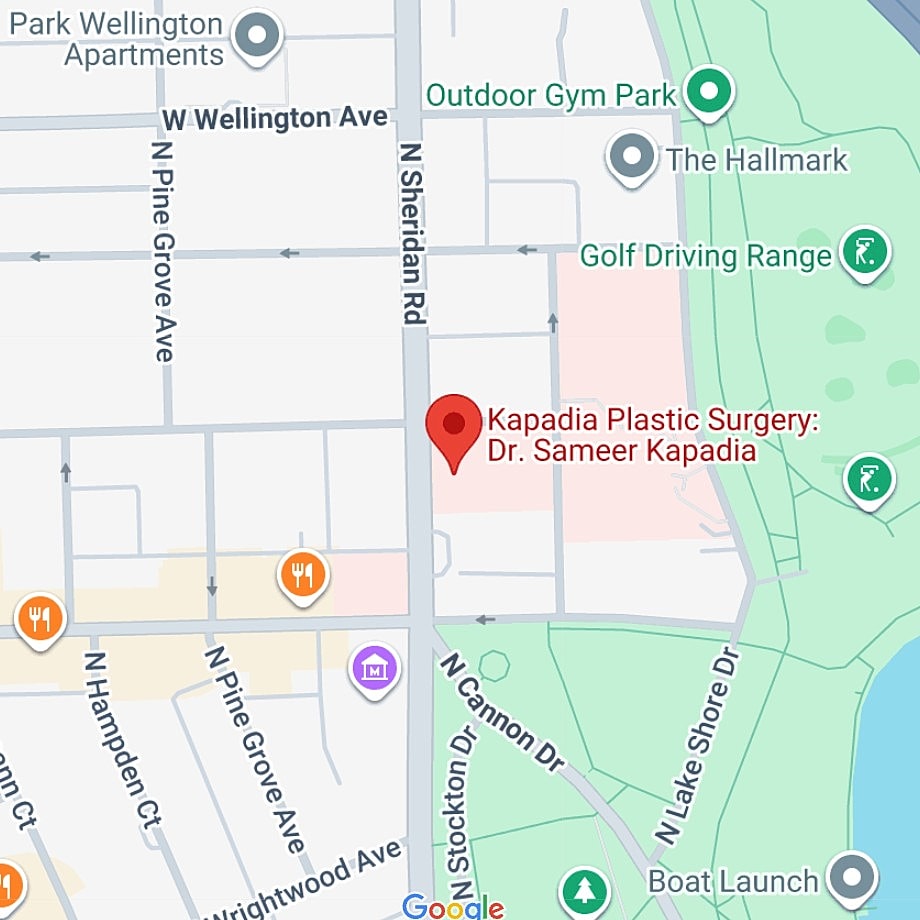
Our Elk Grove Village and Chicago locations sit minutes from O’Hare. We offer virtual planning when appropriate, set a safe fly‑in/fly‑out window after your tummy tuck, and outline chaperone needs. We can share a convenient hotel radius on request.
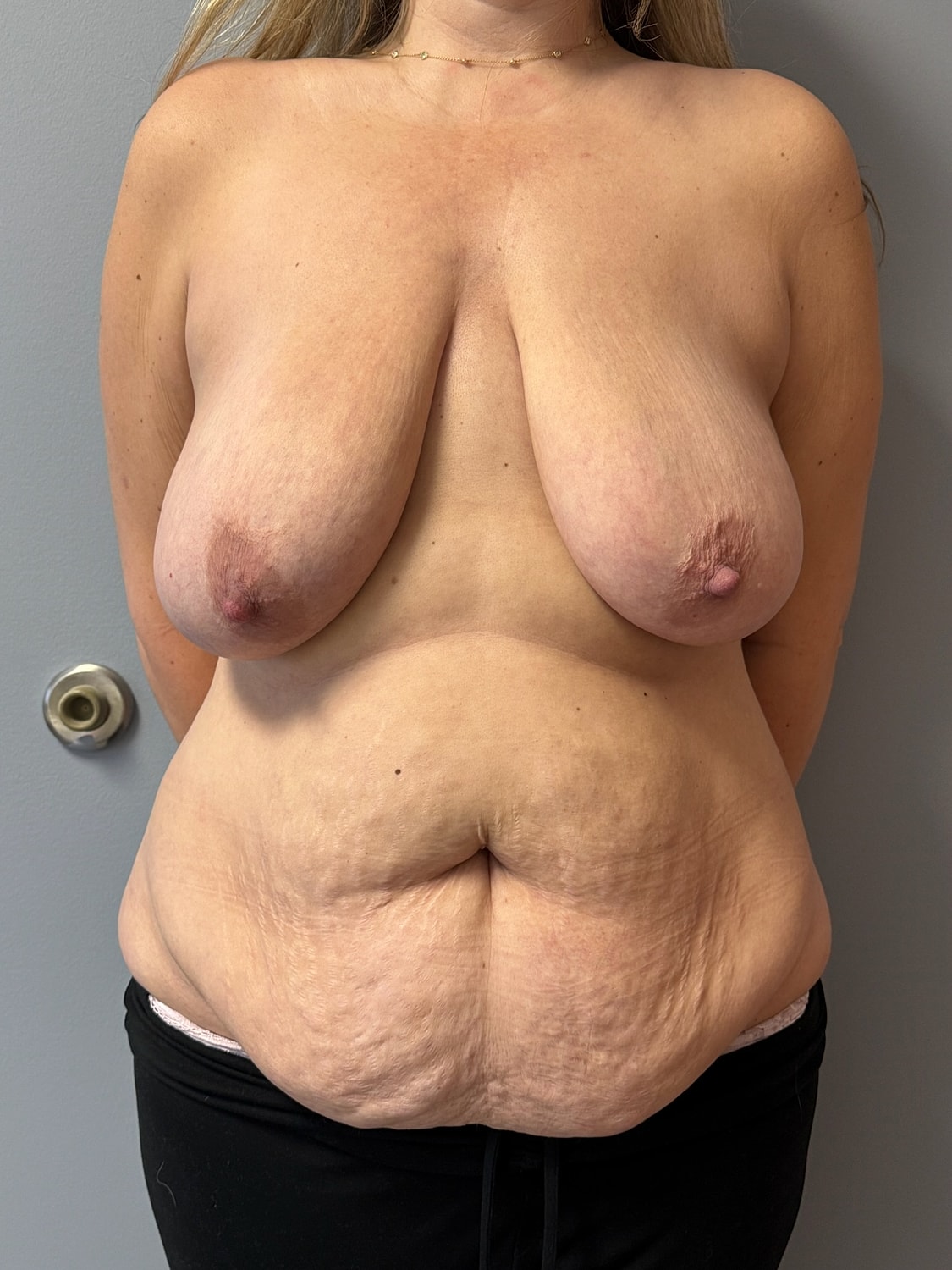
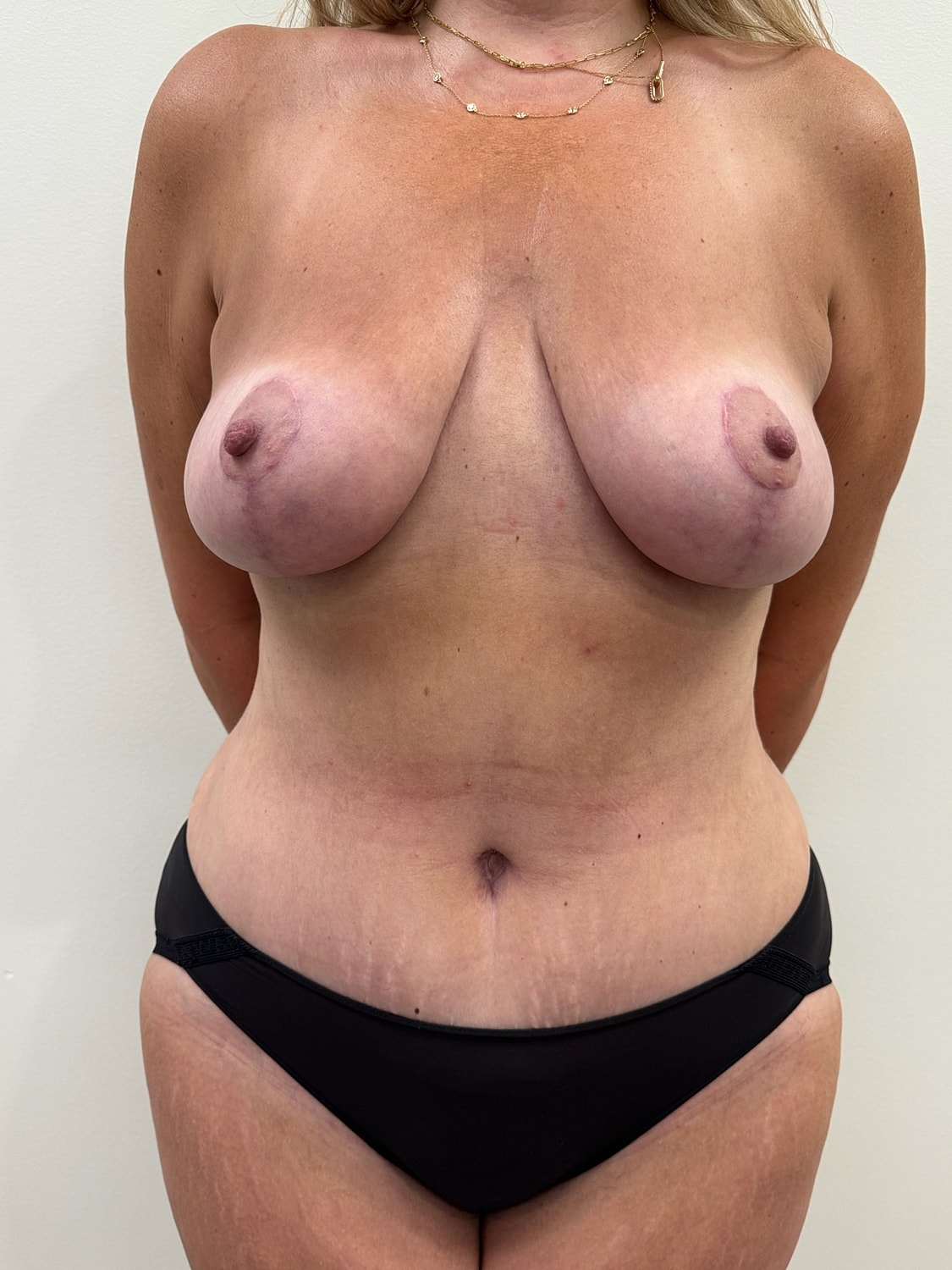
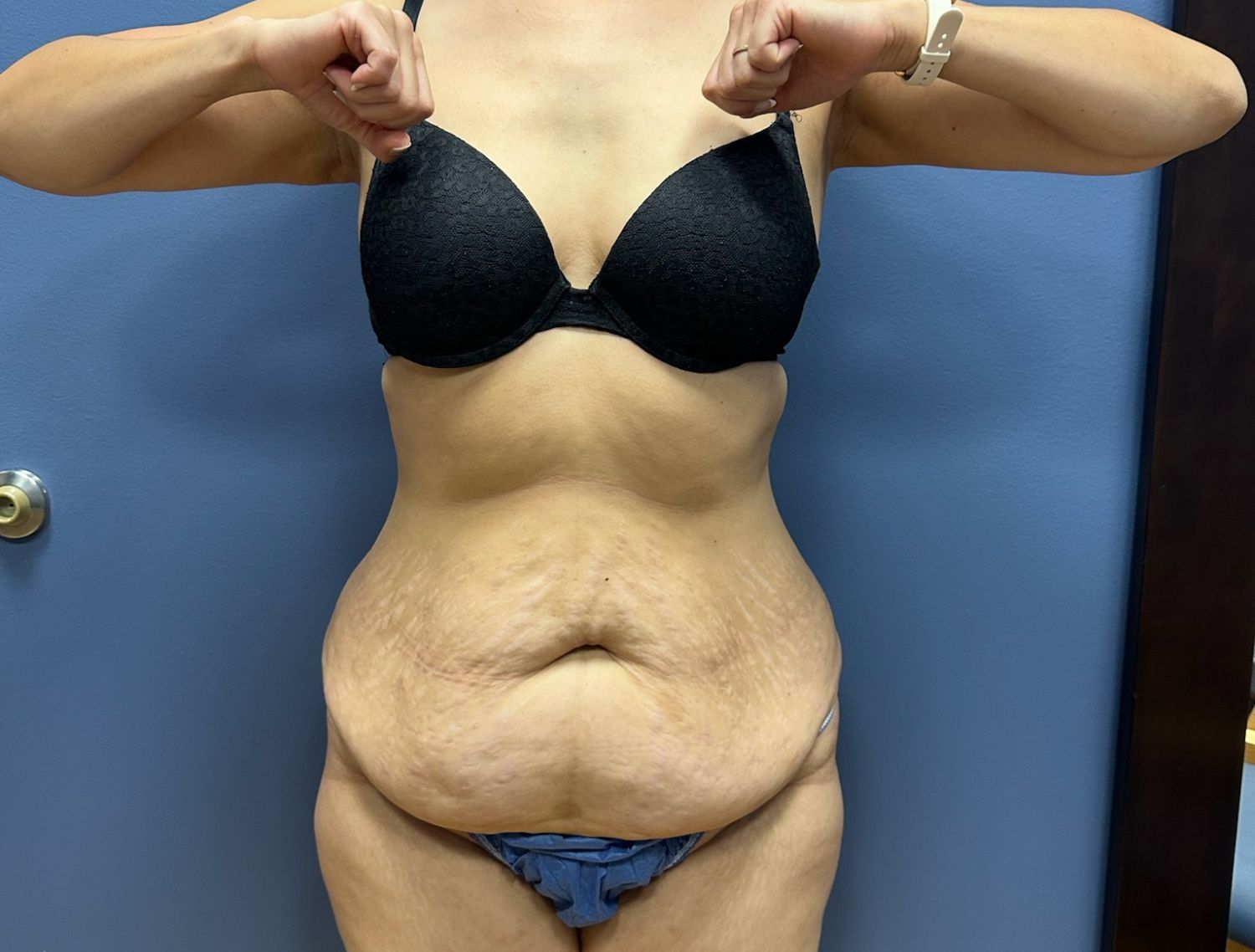
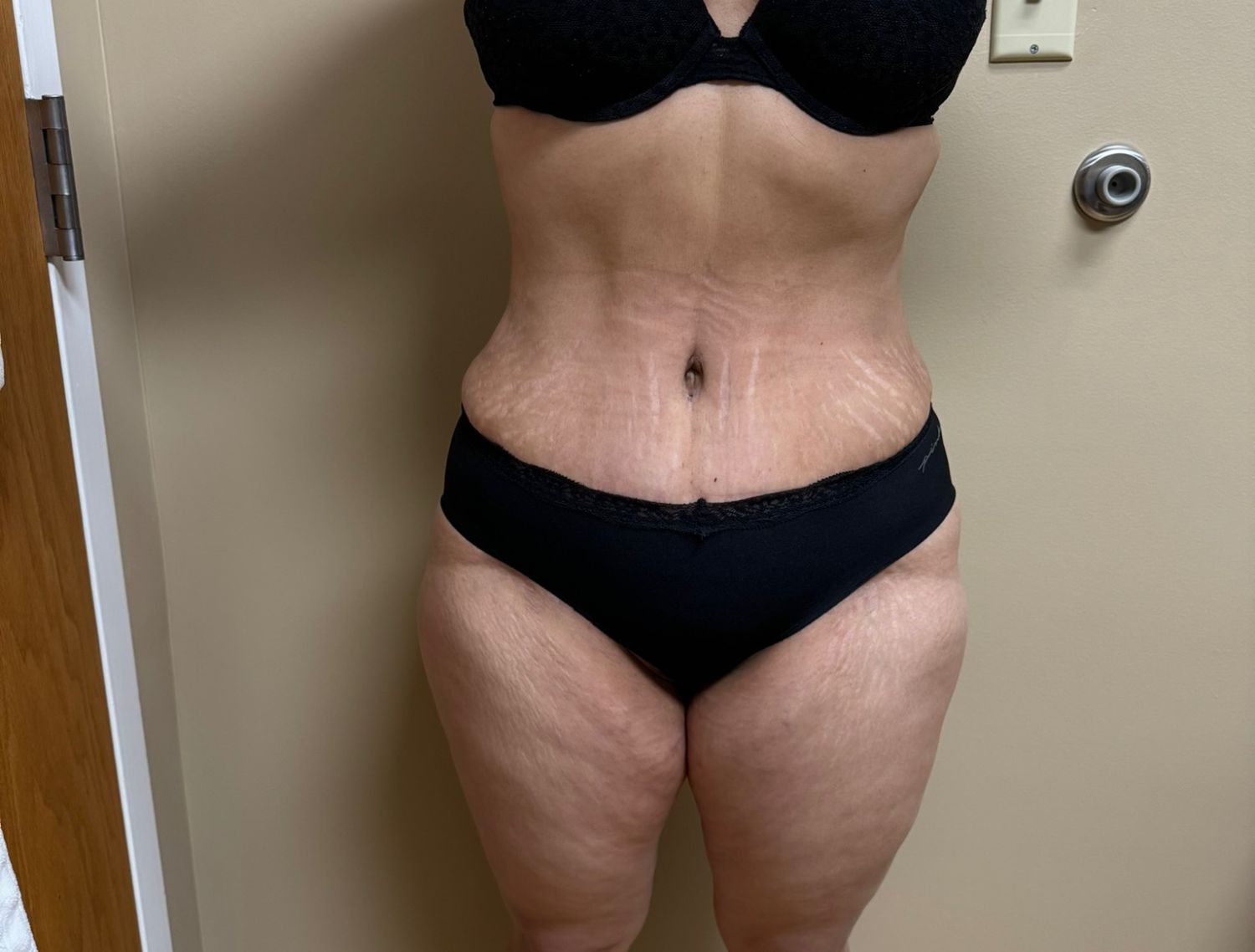
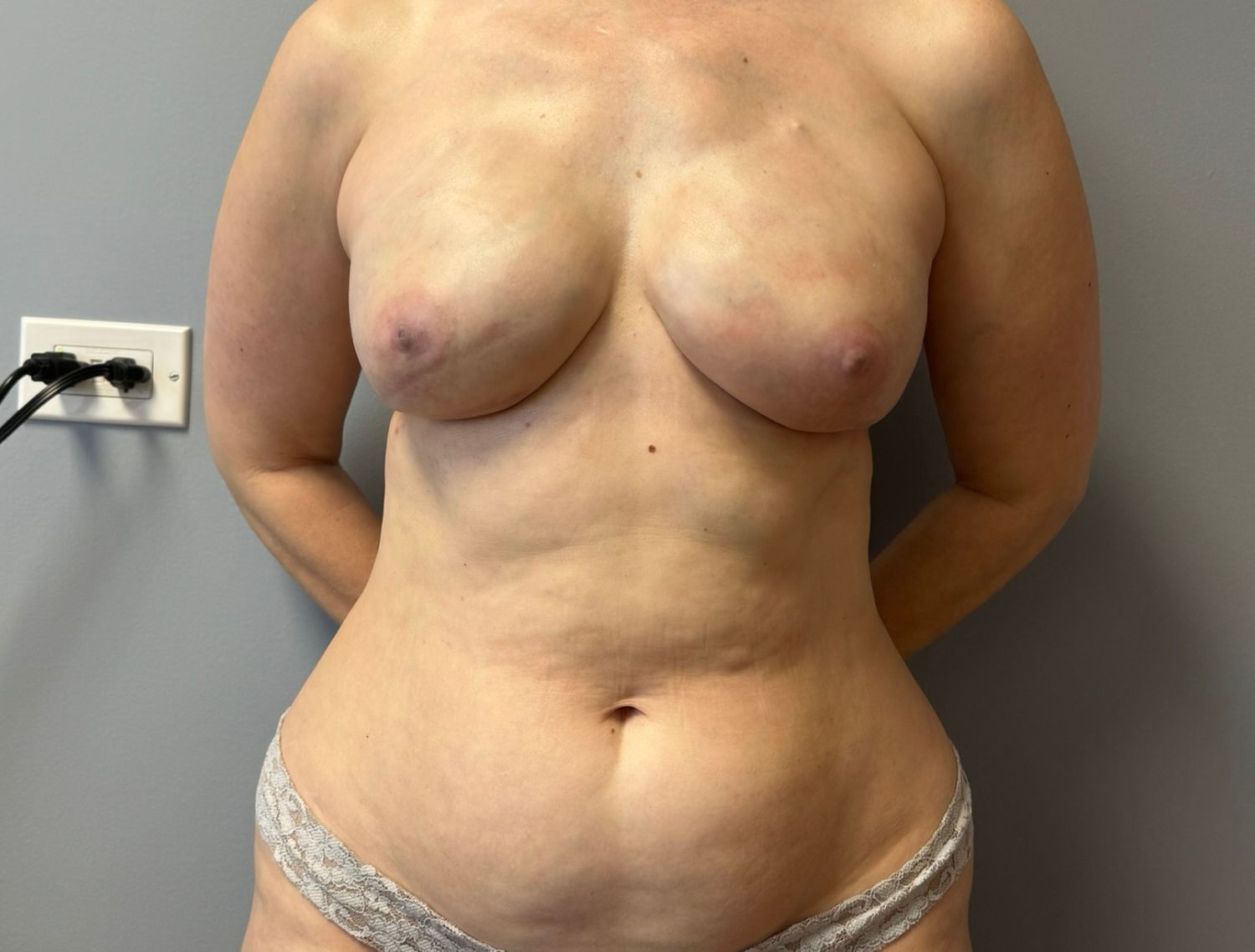
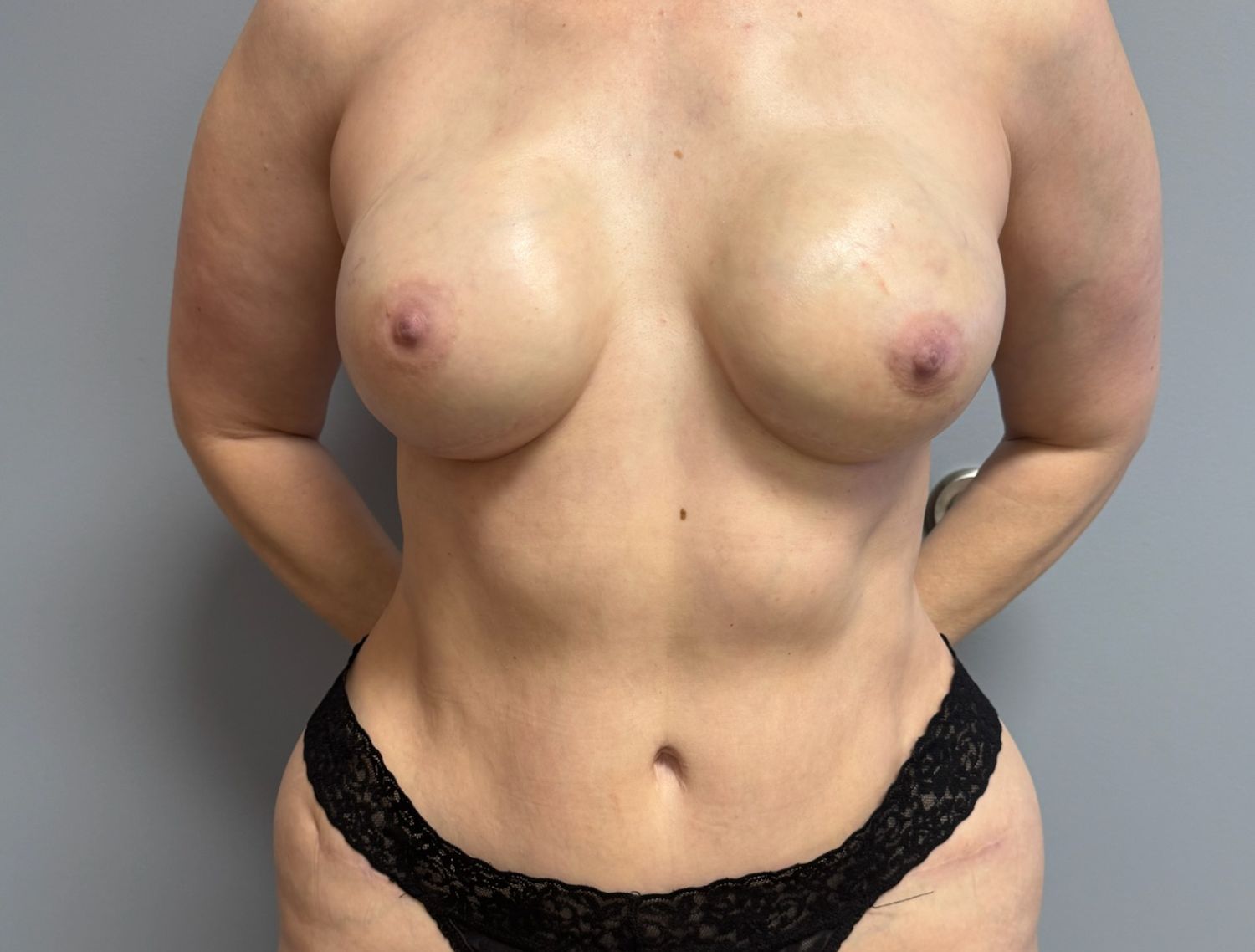
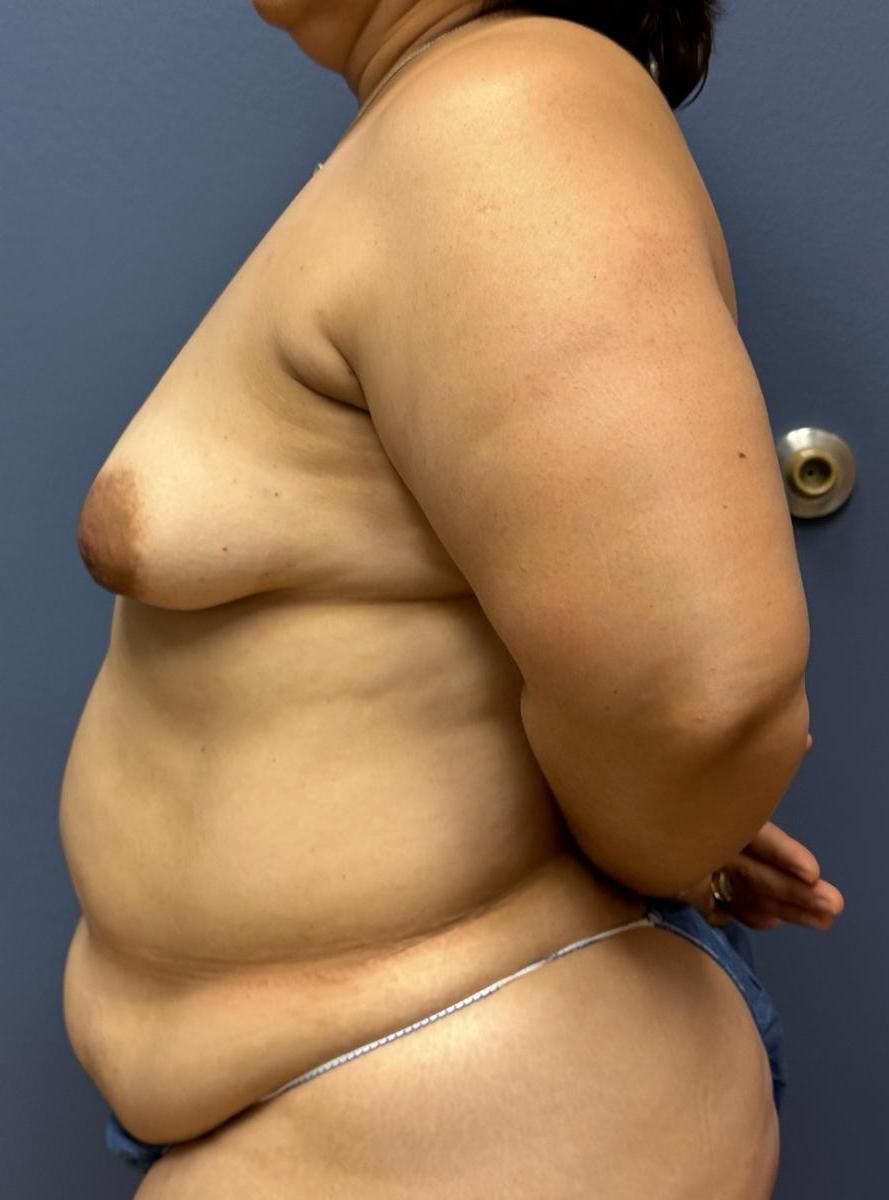
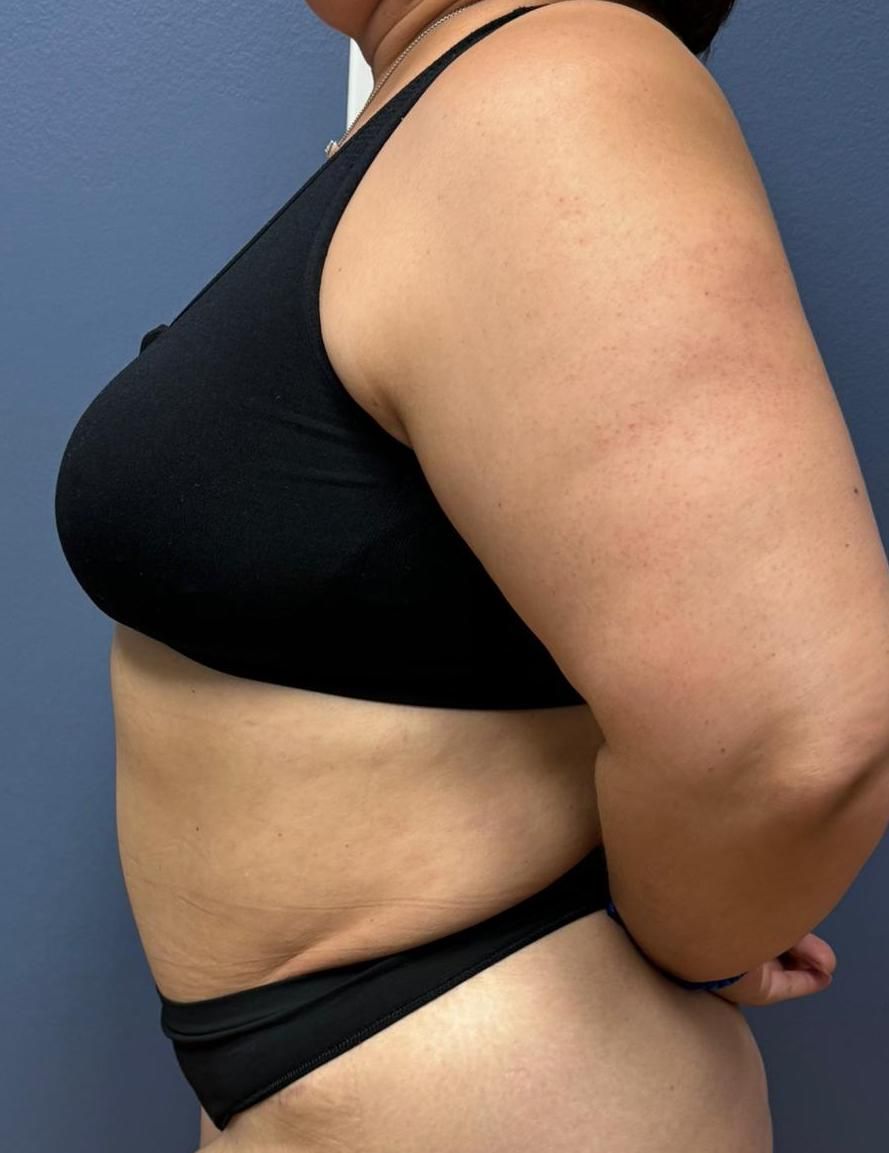
Look at navel shape, lower‑scar position, flank taper, and side‑view smoothness in tummy tuck cases. Note that skin quality and base width vary; the same tummy tuck reads differently on different frames. We’ll walk you through examples so expectations match what surgery can do.
1 of 5
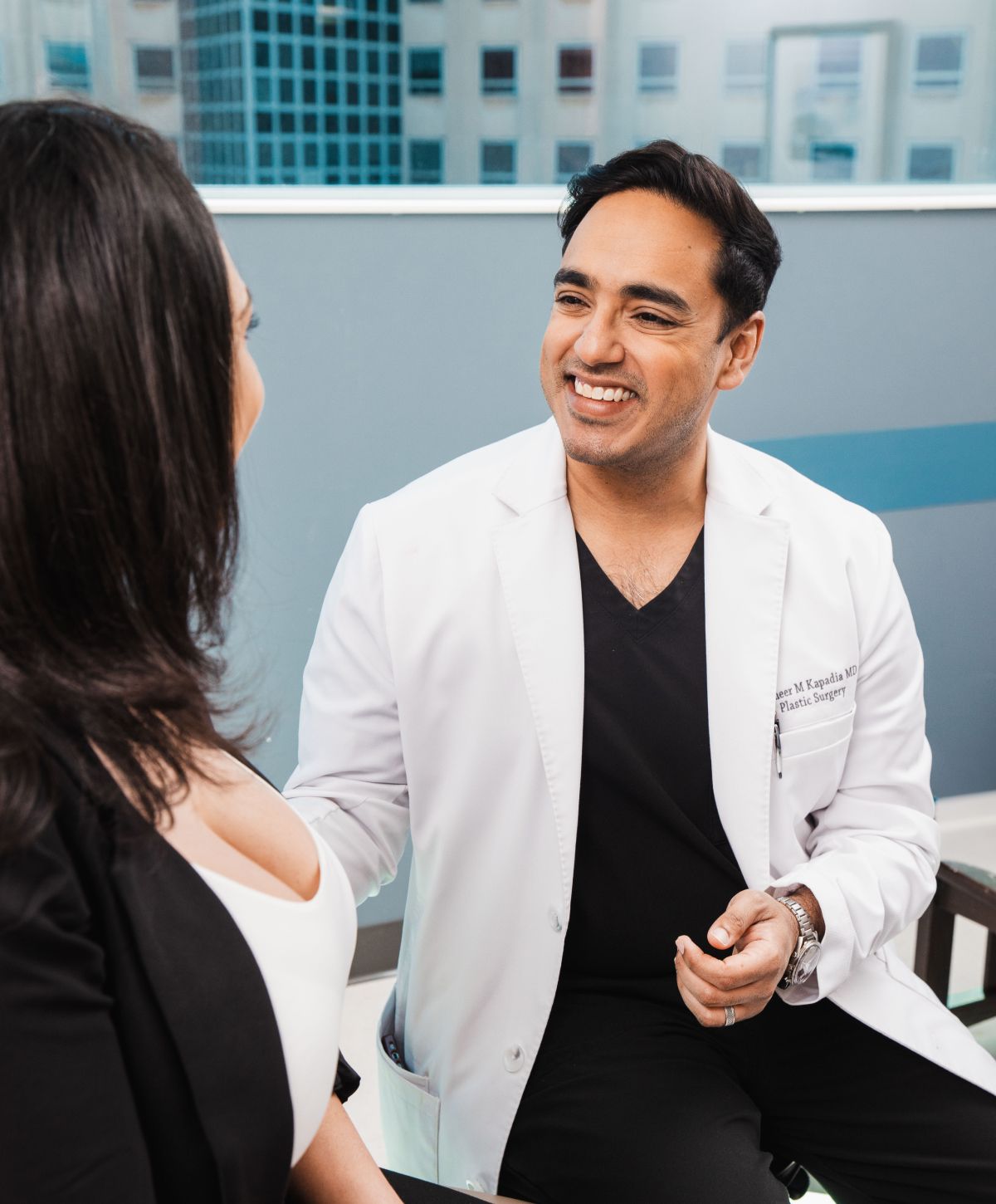
You meet directly with Dr. Kapadia, part of a community of board‑certified plastic surgeons. His fine‑arts background sharpens how lines and proportions read on the body; his planning keeps plastic surgery grounded in safety. The culture is steady and human—clear answers, realistic targets, and follow‑through from consult to last check after your tummy tuck.
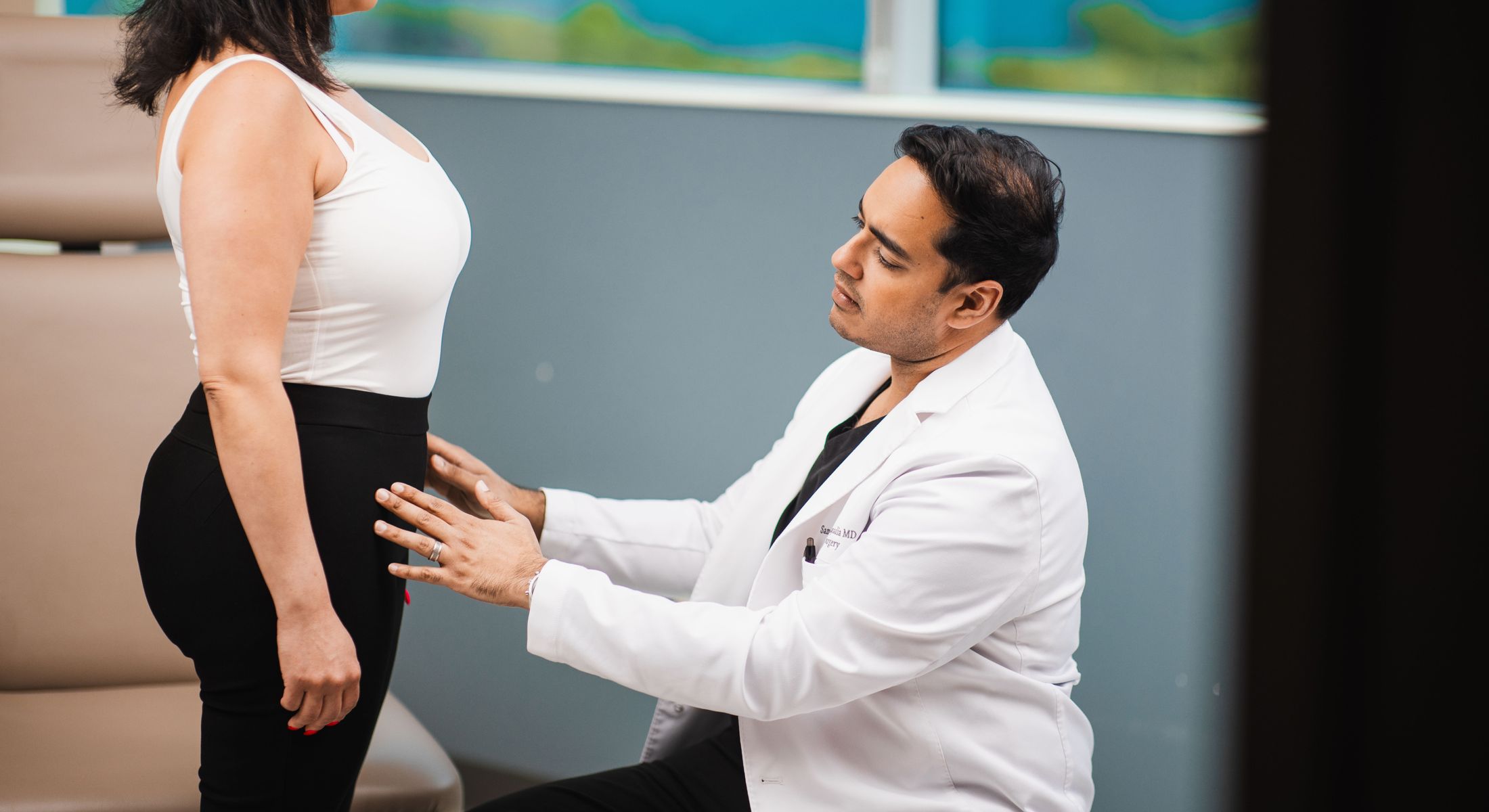
We’ll examine, map a tummy tuck plan that fits your life, and lay out a recovery you can count on.
A mini tummy tuck fits limited excess skin below the navel. A complete tummy tuck fits lax skin and diastasis repair. Your exam sets the plan.
Yes, when present. Repair during a tummy tuck restores the abdominal wall and often improves daily core control.
We remove the lower flap of skin and fat; removing excess skin often takes the worst stretch marks with it. Marks above the navel may shift lower and soften.
No. Some tummy tuck cases use drains briefly; many use a drainless closure. We decide based on your anatomy and tummy tuck plan.
Most patients stand straighter over the first week after a tummy tuck. A slight bend at the hips early on protects the closure.
Light desk work can return in week one for some tummy tuck patients. Lifting children and active jobs take several weeks, depending on your plan.
A tummy tuck is an aesthetic plastic surgery procedure. Repairing the midline can also improve how the core feels in daily life.
Scar quality varies. We place the tummy tuck scar low, teach care, and provide time treatments if needed. Good habits and sun protection help wound healing.
A stable scale protects the look after a tummy tuck. Major weight loss later may leave new excess skin. We’ll time surgery wisely.
Yes. After significant weight loss or substantial weight loss, a tummy tuck can remove excess skin and fat and reshape the abdominal area.